Which area wears off first, the forehead or the masseters? I get this question from almost every new patient sitting in my chair after their first round of botox cosmetic injections. The honest answer is that it depends on the muscle, the dose, and you. Some zones burn through neuromodulator injections fast because they move all day. Others, especially larger muscles or sweat glands, hold results for months. Below is a practical, area‑by‑area map of how long botox typically lasts, what shortens or extends results, and how I time maintenance plans in real clinics. Use it as a reference, not a rigid rulebook.
The biology behind “how long does botox last?”
Cosmetic botox, or more accurately botulinum toxin treatment, blocks acetylcholine at the neuromuscular junction. The effect fades as nerve endings sprout new terminals and reconnect to the muscle. That biological reset takes weeks to months. Heavily used muscles reconnect sooner. Larger doses create a longer blockade. Dilution, depth, and spread matter too. If someone chews gum for hours daily or lifts weights with intense facial tension, their wrinkle relaxing injections will wear off faster.
Most patients see onset at day 3 to 5, full effect by day 10 to 14, then a smooth plateau before gradual return of motion. Longevity ranges follow a pattern: small expressive muscles, 2 to 3 months; standard facial lines, 3 to 4 months; larger muscles like masseters or hyperhidrosis targets, 4 to 6 months or more. Medically necessary dosing for conditions like migraines or TMJ symptoms may last similarly but follows a different dosing logic.
Quick timing guide by zone
The durations below assume typical cosmetic dosing using botox injections by an experienced provider, normal metabolism, and no unusual strain. Ranges reflect lived patterns I see in follow‑ups.
1) Forehead lines (frontalis)
Average duration: 2.5 to 4 months. The frontalis is thin and active all day, especially for expressive people and heavy brow lifters. Under‑dosing to keep the brow lifted can shorten longevity. If results drop off around 10 weeks, a small touch‑up often corrects it without creating a heavy brow.
2) Frown lines or “11s” (glabella)
Average duration: 3 to 4.5 months. The corrugators and procerus are strong, and on some men they are very dense. Adequate dosing is key. Glabellar units often last longer than forehead units because deeper fibers accept the toxin well. If you scowl when reading or concentrating, you may sit closer to 3 months unless the dose is robust.
3) Crow’s feet
Average duration: 3 to 4 months. The orbicularis oculi is a thin circular muscle, used for squinting and smiling. Outdoor athletes, skiers, or anyone who squints in bright light wear through it faster. Good sunglasses help extend results. Micro botox can be used for fine crinkling near the lateral cheek if you want a softer edge without flattening the smile.
4) Bunny lines (upper nose scrunch)
Average duration: 2 to 3 months. Small injections into the nasalis soften diagonal creases. These lines often appear more right after treating the glabella because frown strength drops and your face recruits other muscles to express. Expect quick onset and quicker fade. Maintenance tends to be light.
5) Lip flip
Average duration: 6 to 8 weeks. The orbicularis oris is used constantly for speaking, sipping, and smiling. A lip flip is a low‑dose, high‑movement treatment, so it fades fast. If you need more lasting lip shape, fillers do the heavy lifting while botox helps with vertical lip lines and a subtle roll.
6) Gummy smile
Average duration: 2 to 3 months. Targeting the levator labii superioris alaeque nasi relaxes upper lip elevation. Symmetry is critical. If you are a big laugher or sing for work, you may chew through results faster. Most patients prefer conservative dosing early to avoid slurred speech, then adjust.
7) Chin dimpling or “orange peel” chin
Average duration: 3 to 4 months. The mentalis can create a pebbled texture and pull the chin upward. Treatment releases that tension and helps with early chin crease. Over‑relaxation can change lower lip function, so dosing precision matters.
8) DAO (downturned mouth corners)
Average duration: 2.5 to 3.5 months. Treating the depressor anguli oris lifts the corner trajectory a few millimeters. It is a subtle but satisfying change for “resting frown” faces. Because this area is involved in daily speech and chewing, it falls on the shorter side of the spectrum.
9) Brow lift (lateral brow)
Average duration: 2.5 to 3.5 months. Strategic placement in the orbicularis oculi tail can elevate the lateral brow by 1 to 2 millimeters. Pairing with glabella treatment stabilizes the lift. If the forehead is heavily dosed, the lift effect may be muted. Expect slightly shorter duration than the glabella.
10) Under‑eye smoothing
Average duration: 2 to 3 months. Light dosing below the lash line addresses micro‑squint lines in select candidates. Because the lower eyelid contributes to blinking, this is advanced territory. It wears off fast by design, which helps safety and function.
11) Smile lines (not nasolabial folds)
Average duration: 2 to 3 months when treating dynamic “accordion” lines at the outer upper cheek. Not to be confused with the structural nasolabial fold which is a filler issue for most people. Here, tiny micro botox can soften repetitive crinkles without dulling the smile.
12) Jaw slimming and clenching (masseter botox)
Average duration: 4 to 6 months for function and 6 to 9 months for visible contour change. The masseter is a thick muscle that responds well when the dose is adequate and placed into the deep belly. Chewers of ice, gum, or hard foods can shorten longevity. If you grind at night, a night guard complements botox for teeth grinding and can extend results. First‑timers often need two sessions 12 weeks apart to set the baseline, then twice yearly.
13) Facial asymmetry balancing
Average duration: 3 to 4 months, highly dependent on the target muscle. Small adjustments in frontalis, orbicularis oculi, or lip elevators can harmonize uneven expressions. Expect more frequent reviews during the first two cycles to calibrate.
" width="560" height="315" style="border: none;" allowfullscreen="" >
14) Neck bands (platysma)
Average duration: 3 to 5 months. Treating vertical platysmal bands relaxes neck tension and can sharpen the jawline a touch. High‑strain necks, frequent heavy lifting, or long hours at a computer can shorten the effect. A botox facial treatment across the platysmal “net” is sometimes used for mild skin smoothing, but neck skin laxity still belongs to collagen remodeling or lifting procedures.
15) Chin crease (mental crease)
Average duration: 3 to 4 months. Often combined with chin dimpling treatment. The crease softens as mentalis tension drops. If the crease is etched, filler is the fix, while botox prevents further digging.
16) Migraine protocol (medical botox treatment)
Average duration: about 10 to 12 weeks per the standard 31‑site protocol used in chronic migraine. Patients return every 12 weeks. Therapeutic response builds over two to three cycles. Headache logs help measure benefit. While not a cosmetic priority, many appreciate secondary smoothing in the forehead and glabella.
17) TMJ symptoms and jaw pain
Average duration: 3 to 5 months for symptom relief, sometimes longer after repeated sessions as the muscle deconditions. The dose is higher than for cosmetic contouring. Pairing with physiotherapy and bite correction helps sustain results. If you wake to sore masseters or temple headaches, neuromodulator injections can be a key piece of the plan.
18) Underarm sweating (axillary hyperhidrosis)
Average duration: 5 to 7 months on average, sometimes up to 9 months. Botulinum toxin treatment blocks acetylcholine at sweat glands, which extend beyond the muscle mechanism. You will still sweat elsewhere, just less in the treated zone. Shaving and avoiding strong antiperspirants right before treatment help reduce irritation. For many, two sessions per year cover warm seasons.
19) Hands and feet sweating (palmar and plantar hyperhidrosis)
Average duration: 4 to 6 months for palms, 3 to 5 months for soles. The effect is gratifying, but injections can be uncomfortable, and temporary grip weakness can occur. Nerve blocks or topical anesthetics help. Athletes who rely on grip should time treatments in off‑seasons.
20) Scalp sweating (craniofacial hyperhidrosis)
Average duration: 4 to 6 months. A grid of superficial injections across the scalp reduces sweat that soaks hair and forehead. It pairs well with underarm treatment for people in public‑facing jobs or performers under hot lights.
Why your results might fade faster than your friend’s
Dose, muscle size, and metabolism are the big three. Activity patterns matter too. Runners who squint through sun and wind may churn through crow’s feet faster. A small frontalis in a petite woman over‑recruits when the glabella is dosed high, which shortens forehead longevity. If your injector uses ultra‑conservative micro dosing for baby botox, expect a shorter window with a very natural look. On the other hand, a well‑calibrated standard dose sits in the sweet spot of natural motion and 3 to 4 months of benefit.
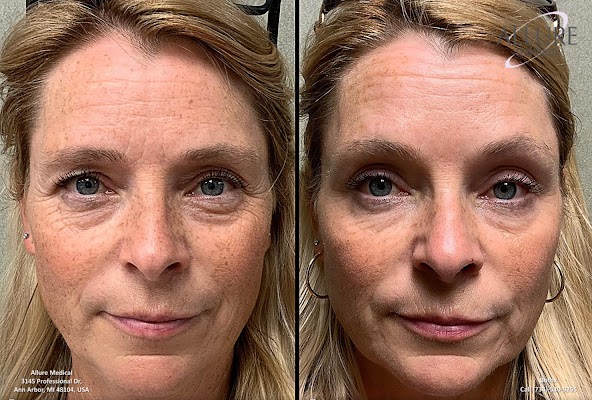
Genetics and health conditions influence nerve sprouting speed. Very lean individuals or those with high thyroid activity sometimes report shorter intervals. Medications can affect bruising risk and not usually duration, but anything that ramps muscle activity will make it seem like results fade.
How often should you get botox?
Most cosmetic schedules fall into these rhythms:
- Upper face basics (forehead lines, frown lines, crow’s feet): every 3 to 4 months once steady. Masseter botox for clenching or jaw slimming: every 4 to 6 months after two primers. Neck bands: every 4 months on average. Sweating (underarms, scalp): every 5 to 7 months depending on season and lifestyle.
If you like a very soft look, you can split doses: smaller treatments every 10 to 12 weeks. Preventative botox for first timers in their mid to late 20s or early 30s often uses lower units spaced 3 to 4 months apart to train patterns before lines etch. There is no single “right age.” Start when lines linger at rest or when habitual expressions deepen creases despite skincare.
What to expect after botox: onset, peak, and fade
You might see tiny blebs or marks for 10 to 20 minutes, then a faint pressure as toxin settles. Makeup can go on after a few hours if the skin is intact and unbruised. Avoid heavy sweating, face‑down massages, and hat compression for the rest of the day. Most people notice early changes by day 3. By two weeks, any asymmetry or under‑treated spot is obvious and easy to tweak.
Fade is gradual. You will feel ghost movements first, then see lines return with strong expressions, and eventually light lines at rest. I prefer to re‑book when 30 to 50 percent of motion returns. Treating when fully back to baseline is not harmful, but you may ride a rollercoaster rather than a smooth curve.
Can botox look natural?
Yes, with good planning. The goal is controlled motion, not a frozen face. We map out which expressions you value. A news anchor might keep lateral brow lift for micro‑expressions on camera. A violinist who watches the conductor from the corner of the eye may keep some crow’s feet motion. Anti wrinkle botox is a tool, and the artistry boils down to what we leave active.
Baby botox and micro botox have a role when you want subtlety or you are testing tolerance. They trade longevity for lightness. Classic dosing lasts longer and handles deeper lines. Neither is right for everyone.
Is botox safe long term?
When performed by trained clinicians who follow evidence‑based dosing and spacing, botox therapy has a strong long‑term safety record. The body does not accumulate toxin. Antibody formation is rare at cosmetic doses, but risky if you chase weekly touch‑ups or use very high unit loads frequently. If botox seems to stop working, several explanations exist: under‑dosing, incorrect placement, muscle hypertrophy, or true secondary non‑response. Often, adjusting the plan or switching to a different brand like Dysport or Xeomin resolves it. The difference between botox and Dysport or botox vs Xeomin includes protein complex size and diffusion characteristics, which can subtly affect spread and onset. Real‑world differences are small but sometimes noticeable.
Why some areas last longer
- Muscle bulk and fiber type: Large, thick muscles like the masseter need more toxin and hold it longer. Frequency of use: Constant movers like the lips and under‑eyes turn over faster. Dose relative to muscle strength: Underdosing wears off quickly; accurate dosing sustains results without stiffness. Placement depth and pattern: Precise intramuscular or intradermal depth matters for effect and longevity. Glandular targets: Sweat glands respond well and for longer, especially in the underarms.
How to make botox last longer without overdoing it
Start with the right units for your anatomy. Treat the pattern, not a template. Wear sunglasses and a hat to reduce squinting. Hold strenuous facial workouts and hot yoga the day of treatment. If you grind teeth, get a night guard to reduce masseter overload between sessions. Skincare that builds collagen, like retinoids and sunscreen, reduces the appearance of lines as motion returns. These do not alter the pharmacology, but they make the fade less obvious, which extends your satisfaction window.
Botox vs fillers for line longevity
Botox for wrinkles tackles motion. Fillers address volume and etched creases. If a line stays at rest after good botox, it is structural, not just dynamic, and filler or collagen remodeling is next. Do not expect botox to lift sagging skin; it can create the illusion of lift by releasing down‑pullers like the DAO or platysma, but laxity belongs to biostimulators, energy devices, or surgery.
Special cases: men, athletes, first timers
Men often need more units in the glabella and masseter because of muscle density. They also prefer more motion, so we build an elasticity plan rather than a freeze plan. Endurance athletes who sweat and squint should schedule around races. First timers benefit from a conservative start with a two‑week review to learn how their face responds. I often map photos at rest and in motion for before and after results, then adjust in the second cycle.
Side effects you might actually notice
Small find botox near me bruises happen. Forehead heaviness comes from either over‑relaxing the frontalis or under‑relaxing the glabella, creating imbalance. A short‑lived headache can occur on day one. For lip flips and gummy smile, slight speech changes or straw‑sipping difficulty can appear for a week. For masseter botox, chewing tough steaks is harder at first. For underarms, mild itch or dryness is common. Serious complications like eyelid ptosis are uncommon with conservative, well‑placed dosing and resolve as the product wears off.
Timing strategy: building a calendar that fits your life
Plan around life events. For weddings, get your botox procedure six weeks before the date to allow adjustments. For seasonal sweating, treat in spring, then reassess late summer. If you do preventative botox, align sessions with quarterly goals. Space treatments at least 12 weeks apart to avoid chasing small twitches and to reduce the risk of antibody development. Use photos to track outcomes instead of memory alone.
When botox wears off faster than expected
If results evaporate before 8 to 10 weeks in standard zones, look at three variables: dose, technique, and lifestyle strain. Sometimes a provider used baby botox without labeling it as such. At other times, the needle sat too superficial and the toxin did not reach the motor endplate. If you started intense facial workouts or changed jobs to one with constant sun glare, that matters. Bring this up at review. The fix may be as simple as adding units or redistributing them.
Can botox prevent wrinkles?
Yes, within reason. Reducing repetitive fold formation slows etching. Preventative botox works best on early lines in high‑motion zones, particularly the glabella and crow’s feet. It cannot erase lines already carved at rest without complementary treatments, but it buys time and preserves skin quality when paired with sunscreen and retinoids.
What botox does not do
It does not treat acne, except for a minor reduction in oiliness with micro dosing that is inconsistent. It does not restore lost volume. It does not change bone structure. It can influence face shape through muscle relaxation, such as masseter sliming over months, but the change is muscular. If facial balancing needs lifting or contouring beyond muscle effects, we use fillers or surgery.
Practical dosing reality: why numbers vary
You will see online debates about how many units you “should” get. I have treated glabellas that required 10 units for a softening and others that needed 25 units to tame deep frown lines. Masseter botox ranges widely from 20 to 40 units per side or more depending on size and bite force. Men frequently sit at higher doses. The right dose is the one that accomplishes your goals with natural motion and lasts an expected 3 to 4 months for facial lines, longer for larger muscles or glands. Chasing low prices often means subtherapeutic dosing, which looks cheap until you count how often you must return.
The difference between brands matters less than the plan
Botox vs Dysport vs Xeomin is like choosing between three high‑quality cameras. Each has nuances in spread and onset. Dysport may kick in faster and diffuse a bit more. Xeomin lacks accessory proteins, which some providers prefer for lower antibody risk in frequent users. Most patients can achieve similar outcomes with any of them when the injector understands the properties and adjusts technique.
Sample maintenance plans by goal
- Smooth upper face with natural brows: Start with glabella 15 to 20 units, forehead 6 to 12 units, crow’s feet 6 to 10 units per side. Review at 2 weeks, repeat every 3 to 4 months. Jaw clenching relief and gentle slimming: Masseters 25 to 35 units per side based on thickness, repeat at 12 weeks once, then every 4 to 6 months. Seasonal sweat control: Underarms 50 to 100 units split per side, every 5 to 7 months depending on climate and job demands.
These are examples, not prescriptions. They illustrate the cadence that supports stable results without spikes or troughs.
Who should pause or avoid botox
Pregnancy and breastfeeding remain off‑label zones where we do not treat. Active skin infections over the planned injection area need to resolve first. Neuromuscular disorders require careful coordination with your physician. If you have a major event that demands peak facial expression, consider delaying or lowering the dose.
The bottom line by area
If you want a quick mental model, think in tiers. Lips, bunny lines, and under‑eyes live in the 6‑ to 10‑week neighborhood. Forehead, frown lines, crow’s feet, DAO, chin, and brow lift sit around 3 to 4 months. Platysma, masseters, and sweating treatments often stretch beyond 4 months. Use that to pace your calendar. Talk with your provider about what you want to keep active, what you want to quiet, and how often you are willing to visit. With that clarity, botox aesthetic treatment becomes predictable, natural, and worth the upkeep.
When done thoughtfully, botox for fine lines and botox for facial balancing do more than erase creases. They ease muscle tension, tame discomfort, and help certain medical conditions. They also teach your facial patterns to soften over time. botox near me That learned ease is what keeps results looking like you, just rested.